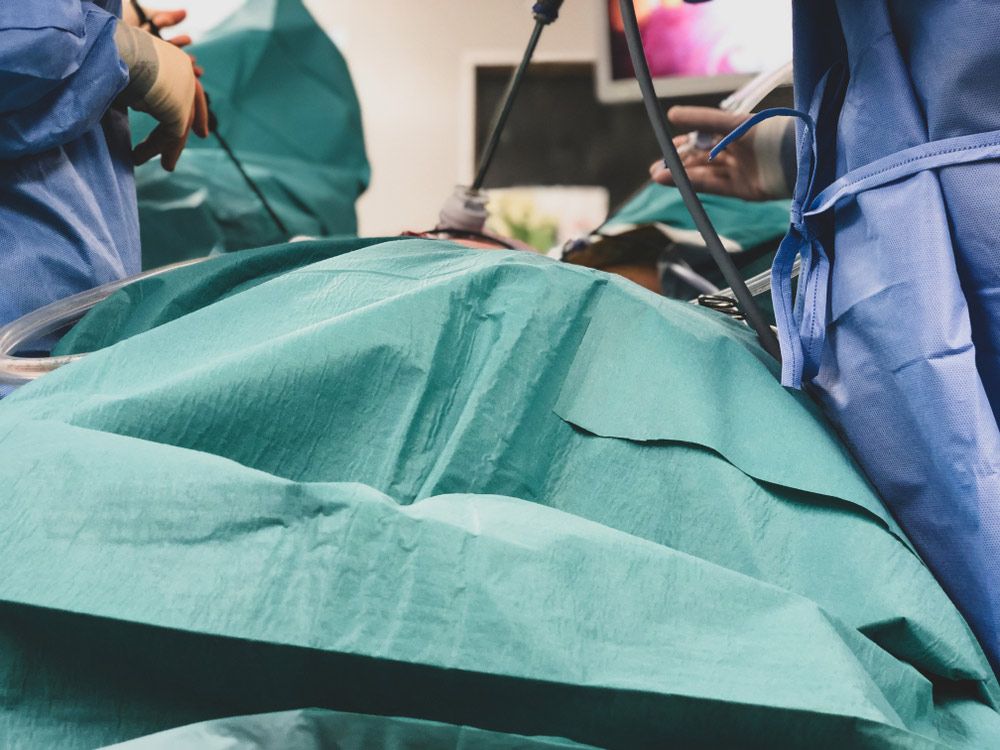



Gastric Sleeve Surgery Brisbane
Wide Range of Surgical Treatments
Support for Enhanced Recovery After Surgery (ERAS)
Non-Judgemental Practitioners
What is Gastric Sleeve Surgery?
This procedure is performed by
Dr Ben Dodd, Laparoscopic sleeve gastrectomy is a
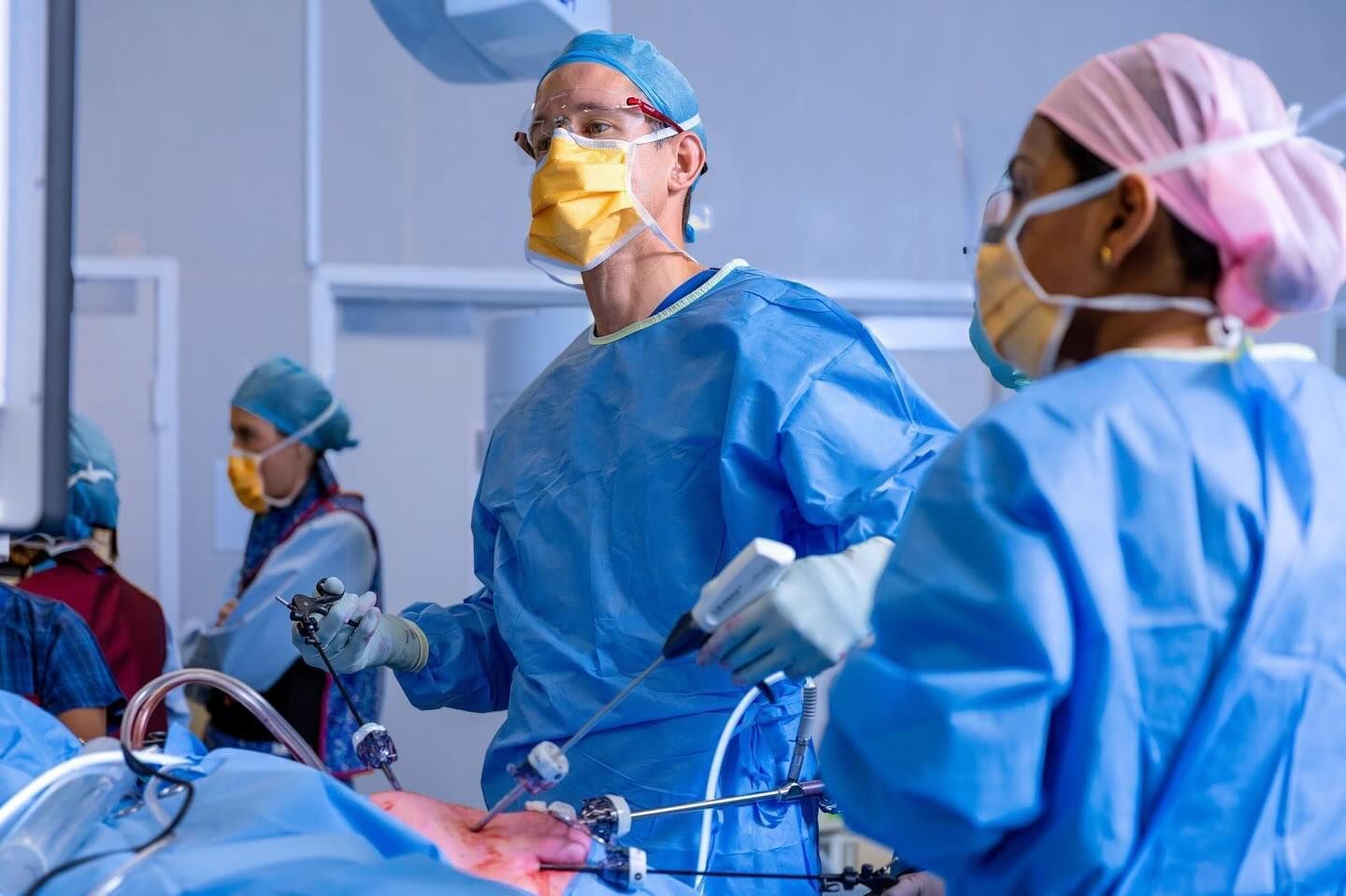
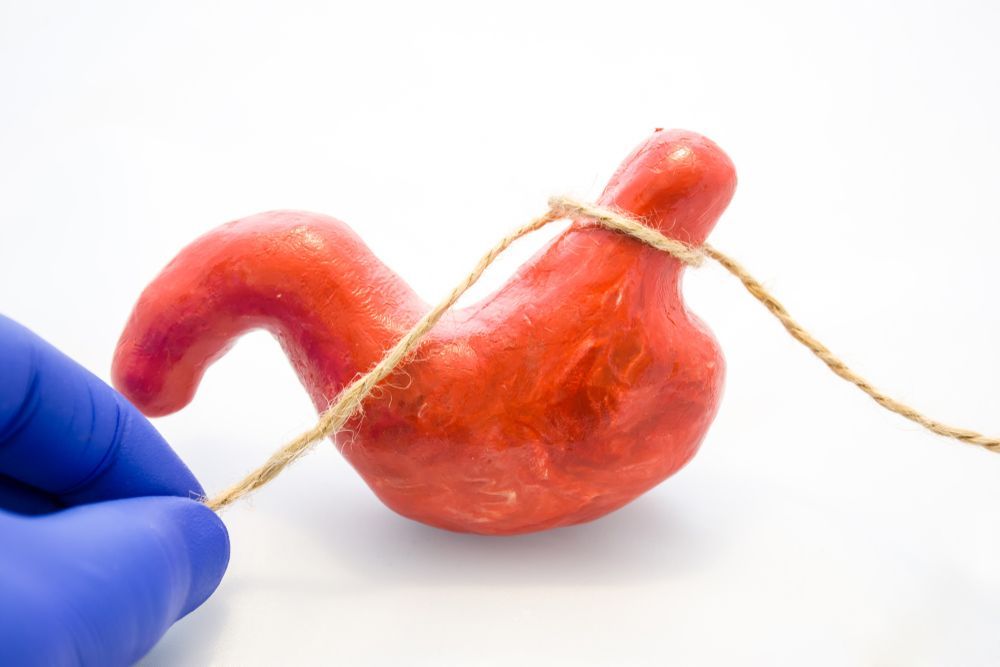
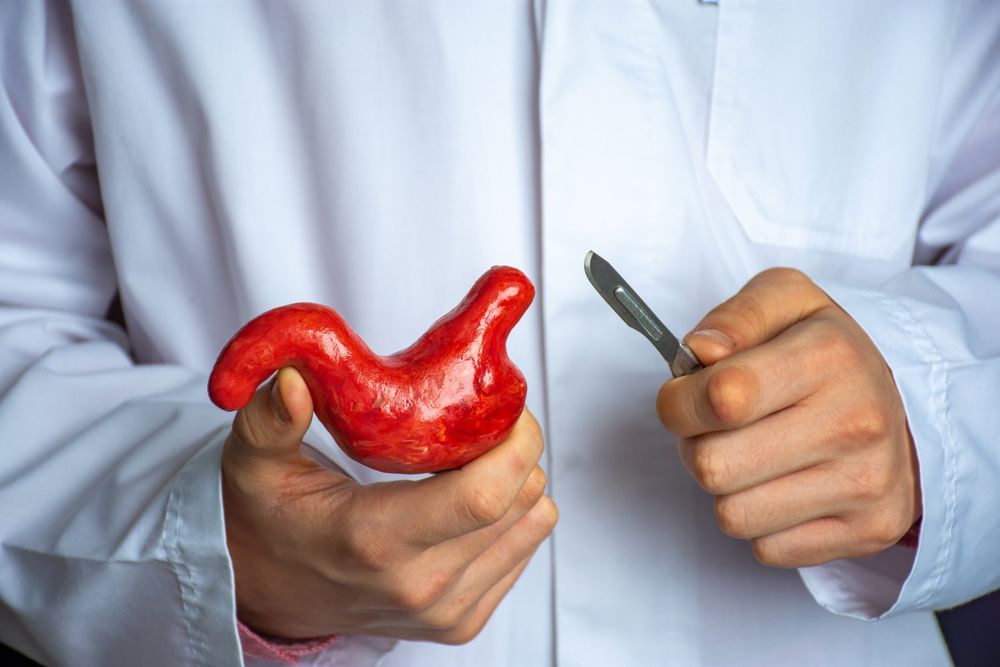
weight loss procedure that involves removing approximately 80% of the stomach, using a stapling device, including the ghrelin-producing part of the stomach (fundus). Ghrelin is an appetite stimulating hormone. This new, non-distensible tubular stomach makes patients feel full more quickly. The lack of ghrelin decreases hunger significantly. The procedure is always keyhole, via 5 small incisions, resulting in a faster recovery time and minimal scarring. The removed portion of stomach is retrieved from the abdomen via one of the keyhole wounds.
Procedure Overview:
- Duration: Approximately 45 minutes.
- Anaesthesia: General anaesthesia is administered. Huge amounts of local anaesthetic in the keyhole wounds and in the abdomen result in minimal post-op pain.
- Hospital Stay: A one-night stay at the hospital is standard for 95% of patients.
- Recovery Time: Most patients can resume normal activities within 1 to 2 weeks, though individual recovery times may vary. Heavy lifting should be avoided for 4 weeks.

Benefits:
- Significant weight loss, normally at least 60-70% of excess weight within the first year.
- Improvement or resolution of obesity-related conditions such as type 2 diabetes, hypertension, and sleep apnoea.
- No foreign devices are implanted, other than biologically inert titanium staples, avoiding the complications associated with other bariatric procedures.
Risks & Considerations:
- As with any surgery, there are small risks of infection, staple line leak, bleeding, blood clots and complications from anaesthesia.
- Potential long-term risks include nutrient deficiencies, gastro-oesophageal reflux disease (GERD), and the possibility of weight regain if lifestyle changes to achieve metabolic health are not maintained.
Eligibility for Gastric Sleeve Surgery in Brisbane
To determine if gastric sleeve surgery is appropriate, several factors are considered:
- Body Mass Index (BMI): Typically, candidates have a BMI of 35 or higher, with weight-related medical problems, or a BMI > 30 with major metabolic syndrome.
- Age: Generally, patients are between 18 and 65 years old.
- Health Conditions: Weight-related conditions such as type 2 diabetes, hypertension, elevated lipids/cholesterol, severe oesteo-arthritis, fatty liver disease, cardiac disease and sleep apnoea.
- Previous Weight Loss Attempts: Candidates should have attempted non-surgical weight loss methods, without sustained success. This includes GLP-1 RA medicines.
A comprehensive evaluation by a qualified bariatric surgeon is essential to assess individual suitability for the procedure.
Why Choose Dr Ben Dodd for Your Gastric Sleeve?
Brisbane Upper GI Surgery, led by Dr Ben Dodd, offers a patient-centred approach to bariatric surgery. Dr Dodd is a Brisbane-born and trained laparoscopic upper gastrointestinal and bariatric surgeon with extensive experience in performing weight loss surgeries. The clinic provides:
- Personalised Care: Tailored treatment plans to meet individual health needs and goals.
- Advanced Surgical Techniques: Utilisation of precise laparoscopic methods to minimize complications and optimize post-op recovery.
- Enhanced Recovery Protocols: Implementation of Enhanced Recovery After Surgery (ERAS) protocols to promote quicker recovery times, less pain and reduced complications. Many patients require no strong pain killers after surgery.
- Comprehensive Support: Ongoing support throughout the surgical journey, from initial consultation to post-operative care. This includes expert nurses, dieticians, bariatric medical practioners and psychologists.
What to Expect: Recovery, Results & Life After Surgery
Recovery Timeline:
- Hospital Stay: A one-night stay is typically required. Patients are normally sitting out of bed, drinking soups, then walking around within 3-4 hours of surgery. This ERAS approach dramatically reduces surgical complications.
- Initial Recovery: Most patients can return to light activities and long walks within 1 to 2 weeks.
- Full Recovery: Complete recovery may take 4 to 6 weeks, depending on individual health factors.
Dietary Changes: Post-surgery, a structured dietary plan is followed
- Phase 1 (Weeks 1-2): Liquids that can be sucked through a straw.
- Phase 2 (Weeks 3-4): Pureed foods.
- Phase 3 (Weeks 5-6): Soft foods.
- Phase 4 (After Week 6): Solid foods, with an emphasis on high-protein, high-fibre meals.


Lifestyle Modifications:
- Physical Activity: Gradual re-introduction of exercise. Ideally this becomes regular zone 2 exercise (heart rate 50-80% of maximum, still breathing easily) and resistance training, both of which are central to restoring metabolic health and leanness.
- Nutritional Supplements: Lifelong vitamin and mineral supplementation, and a high protein/high fibre diet, to optimise weight loss outcomes and prevent deficiencies.
- Regular Follow-ups: Ongoing medical check-ups to monitor health status and weight loss progress.
Long-Term Outlook:
Investing planning and action time to provide subtle changes to the daily habits of movement, food choices, sleep and emotional health ensure optimal and durable weight loss success. The ultra-processed food (UPF) and sedentary lifestyle warzone we live in isn’t going to change whilst corporations continue to profit from it. Most patients will notice major improvements in obesity-related health conditions, movement, energy levels and sleep, leading to an enhanced quality of life and life expectancy. This weight loss process effectively ‘de-medicalises’ your life, freeing you up to do the things you love.
Book Your Consultation Today
If you're considering gastric sleeve surgery, Dr Ben Dodd - Brisbane Upper GI Surgery provides care and support throughout your weight loss journey. If gastric sleeve surgery isn't the right fit, gastric bypass surgery may be an option, Contact us today to schedule a consultation and take the first step towards a healthier future.